We study the air over Bangladesh: what is in it, where it comes from, and how it affects the people who breathe it. Our work falls into the themes below, each with its own papers and theses.
-
Urban and indoor air quality in Dhaka
What is in the air of a megacity, and how it changes through the day and the year
-
Source apportionment and emission sources
Working out which sources put which share of the particles into the air
-
Carbonaceous aerosols: black carbon and brown carbon
The light-absorbing carbon that warms the atmosphere and darkens the sky
-
Trace and heavy metals in airborne particulate matter
The toxic metals carried on particles, and what breathing them costs
-
Polycyclic aromatic hydrocarbons and organic pollutants
Combustion by-products that persist in the air, the water, and the soil
-
Aerosol optical properties and remote sensing
Measuring the whole column of atmosphere above us, and anchoring satellites to the ground
-
Low-cost sensor networks, data science and forecasting
Many cheap sensors, carefully corrected, plus models that predict tomorrow's air
-
Bioaerosols and airborne antimicrobial resistance
The living fraction of air pollution, and whether it carries drug resistance
-
Mitigation and filtration materials
Early-stage work on capturing what we measure
-
Ice nucleation and mineral dust
Earlier laboratory work on how mineral dust seeds ice in the atmosphere
Where to look next
See also the full publication list (since 2003), student theses, funded projects and instruments.
From the field to the bench
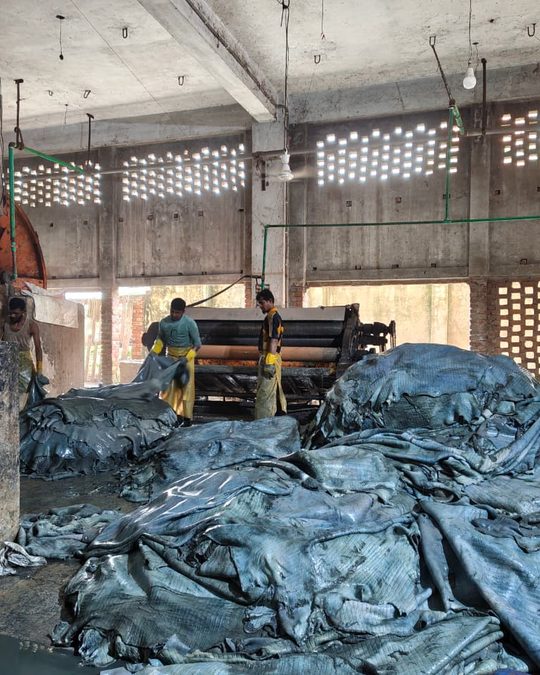
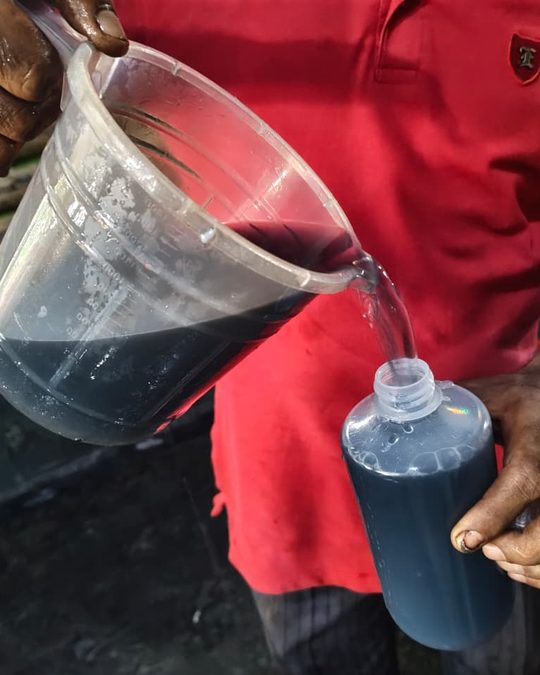
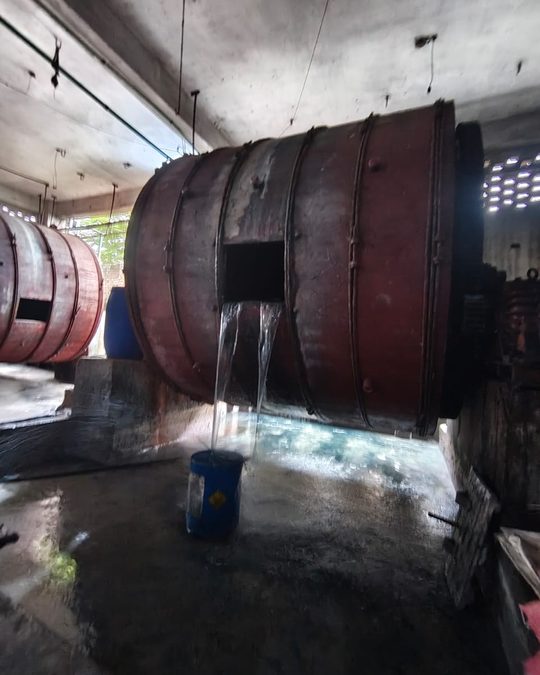
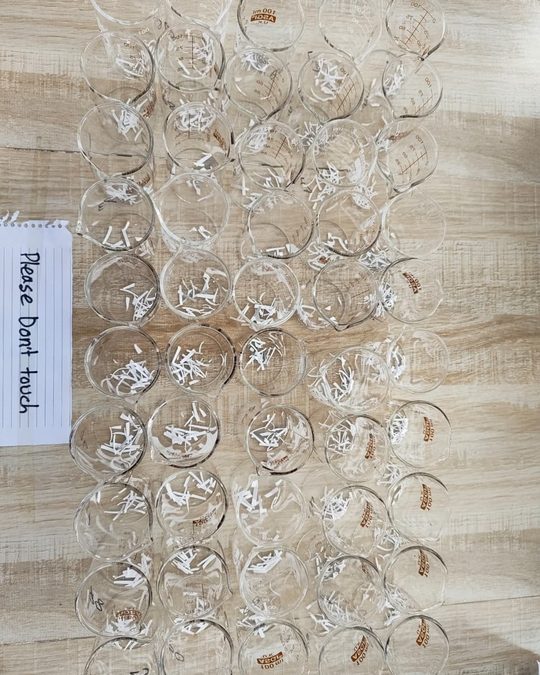
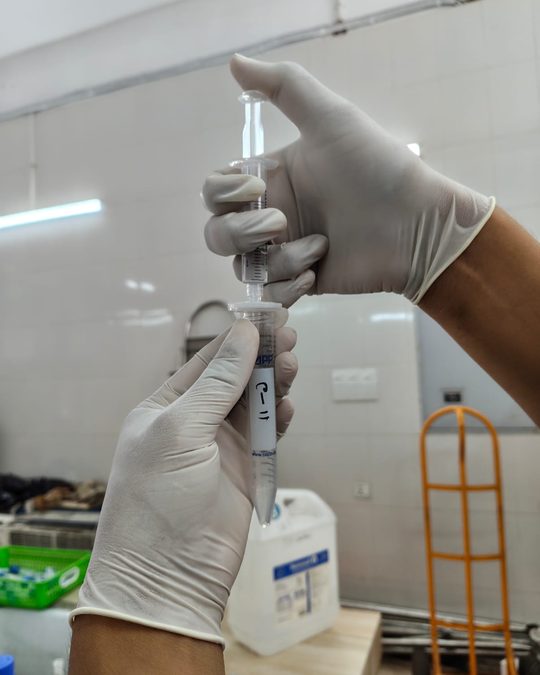
Sampling at a tannery for our work on workers’ exposure to heavy metals, then back in the lab: samples waiting for acid digestion, and a digest being filtered before metal analysis.